Welga Font: A Handwritten Script for Makers
There is a specific moment in the design process when a product finally feels like it has a soul. Last Tuesday, while staring at a blank candle label template on my screen, I experienced exactly that. The layout was clean, the colors were muted and earthy, but something was missing. It felt sterile. I needed text that carried the same warmth as the soy wax and essential oils inside the jar. That was when I typed out the scent name using Welga, and the entire composition clicked into place. This wasn't just another digital asset; it was the bridge between a manufactured good and a handmade experience.
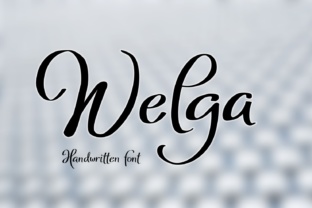
As makers and small business owners, we know that typography does more than convey information. It sets the emotional temperature of our work. Welga is a sweet, well-crafted script font that manages to be both beautifully expressive and surprisingly legible. In a marketplace saturated with overly ornate scripts that sacrifice readability for flair, finding a typeface that balances artistic charm with practical function is a relief. It feels handwritten with love and careful measure, mimicking the authentic stroke of a marker or brush pen without looking messy or amateurish.
Elevating Product Labels and Packaging Design
When designing labels for physical goods like candles, soaps, or boutique skincare, legibility is non-negotiable. Customers need to read the product name quickly, especially at craft fairs or in thumbnail images online. Welga shines here because its letterforms are distinct and open. Unlike tighter script fonts where characters blur together at smaller sizes, Welga maintains its integrity even when scaled down for a 2-inch round sticker or a narrow neck tag.
I recently used this font for a line of seasonal jam jars. The challenge was fitting the flavor name, "Spiced Pear & Vanilla," onto a curved surface while maintaining a farmhouse aesthetic. Welga provided enough visual weight to stand out against the textured paper label, yet it remained delicate enough to suggest artisanal quality. For packaging design, this balance is crucial. It signals to the buyer that the contents are premium and thoughtfully created. When you are selling physical products, your packaging is the first tactile interaction a customer has with your brand identity, and the right creative font acts as a silent ambassador for your craftsmanship.
Creating Emotional Connections in Stationery and Invitations
Beyond product packaging, Welga has become a staple in my stationery workflow, particularly for wedding invitations and greeting cards. There is a vulnerability required in invitation design; the text needs to feel personal, as if the host sat down and wrote each card by hand. Using a stiff serif font can sometimes feel too corporate for a celebration of love, while a chaotic handwritten font might look unprofessional.
Welga hits that modern typography sweet spot. For a recent wedding welcome board mockup, I paired Welga with a minimalist sans serif font for the logistical details. The contrast was striking. The script handled the couple’s names and the phrase "Welcome to our Beginning" with an elegant flow, while the supporting text remained crisp and informative. This kind of font pairing is essential for editorial design and printables. It guides the viewer’s eye, creating a hierarchy where the emotional message takes center stage without sacrificing clarity. Whether you are designing digital downloads for Etsy or printing physical suites, this versatility ensures your designs remain accessible and beautiful.
Practical Considerations for Cutting Machines and Merchandise
For those of us who use Cricut or Silhouette machines, not every pretty font is a functional font. Intricate scripts with thin hairlines often tear during the weeding process or fail to adhere properly to fabric and vinyl. Welga is crafted with production in mind. The strokes have enough substance to withstand cutting and heat pressing, making it an excellent choice for tote bags, t-shirts, and mugs.
When testing Welga on a canvas tote bag design, I appreciated how the connections between letters flowed naturally without requiring excessive manual welding in design software. This saves hours of prep time when fulfilling custom orders. However, always test your specific material and machine settings first. While the font is robust, different substrates behave differently. For smaller stickers or detailed decals, ensure you are using the included alternates or ligatures if available, as these features often smooth out awkward spacing and improve the overall silhouette of the word shape. This attention to technical detail is what separates professional merchandise from hobbyist experiments.
Versatility Across Digital and Physical Formats
One of the greatest strengths of Welga is its adaptability across mediums. As a printable creator, I need assets that look just as good on a backlit screen as they do on matte cardstock. Display fonts can sometimes lose their nuance in digital previews, but Welga retains its character in social media graphics and listing photos. When showcasing a new planner insert or wall art piece, the font adds immediate texture and interest to flat digital mockups, helping potential customers visualize the final product in their own homes.
This cross-platform consistency helps build brand recognition. If you use Welga for your Instagram highlights, your shop banner, your thank-you cards, and your product tags, you create a cohesive visual language. Customers begin to associate that specific handwritten style with your shop’s quality and vibe. It transforms scattered products into a unified collection. Whether applied to a festive holiday tag or a serene piece of printable wall art, the font adapts to the mood of the project while keeping your unique maker fingerprint visible.
Maximizing Your Creative Assets Responsibly
Before integrating any new typeface into your commercial workflow, take a moment to explore its full capabilities. Check the file formats to ensure compatibility with your design software, whether you are working in Illustrator, Canva, or Procreate. Review the license carefully to confirm it covers your intended use, especially if you are selling templates, SVG-style designs, or end products featuring the font. Understanding commercial font licensing protects your business and respects the type designer’s labor.
Additionally, experiment with the OpenType features. Swashes, stylistic alternates, and contextual ligatures can transform a standard typing session into custom lettering art. These subtle variations prevent repetition in longer phrases and add that bespoke touch that handmade buyers crave. By treating Welga not just as a tool but as a collaborative partner in your design process, you unlock its full potential to tell your brand’s story with authenticity and grace.